
Affiliate Marketing: Uses, Advantages, and Social Responsibility
In today’s digital-first world, affiliate marketing has become one of the most powerful ways for businesses to grow and for individuals to earn. It’s simple yet effective—brands team up with affiliates (bloggers, influencers, content creators, or even regular people with an online presence) who promote their products or services. In return, affiliates earn a commission on every sale or lead they bring in.
But beyond just money, affiliate marketing is reshaping how we think about digital growth, customer trust, and even social responsibility. Let’s dive deeper.

What is Affiliate Marketing?
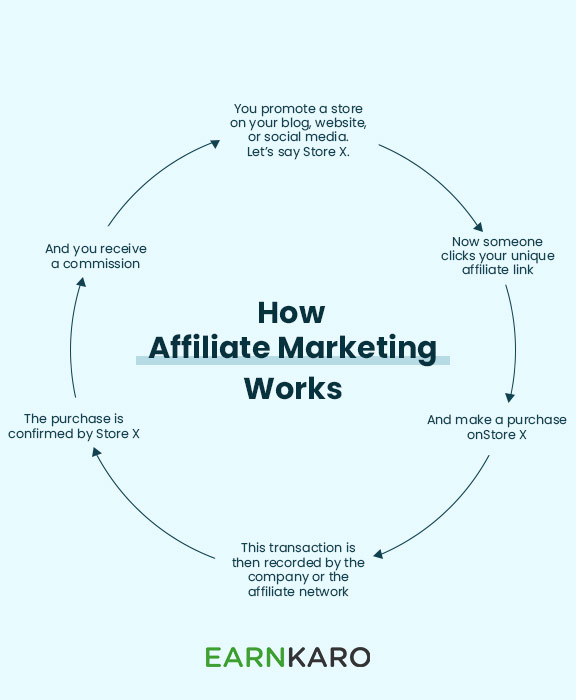
Affiliate marketing is like modern-day word of mouth, but with structure and scale. Instead of recommending a product to a friend over coffee, affiliates recommend it to their audience—through blogs, social media posts, YouTube videos, or email campaigns. When someone makes a purchase through their unique referral link, the affiliate gets rewarded.
It’s a win-win:
- Businesses expand their reach and pay only for actual results.
- Affiliates get to monetize their influence and content.
- Consumers benefit from personalized, trusted recommendations rather than just another ad.
Uses of Affiliate Marketing
Affiliate marketing isn’t just about “making sales.” Its uses go much deeper:
- Brand Awareness – Affiliates introduce products to audiences that might never see a brand’s traditional ads.
- Niche Penetration – Through specialized affiliates (for example, fitness bloggers promoting supplements), brands can target highly relevant audiences.
- Content Monetization – Creators who spend time writing blogs, recording tutorials, or reviewing products finally have a way to earn from their hard work.
- Cost-Effective Marketing – Unlike ads where businesses pay upfront, affiliate marketing ensures payment only after results (a sale or a lead).
Advantages of Affiliate Marketing
So why has affiliate marketing grown into a multi-billion-dollar industry? Because it works—for everyone involved.
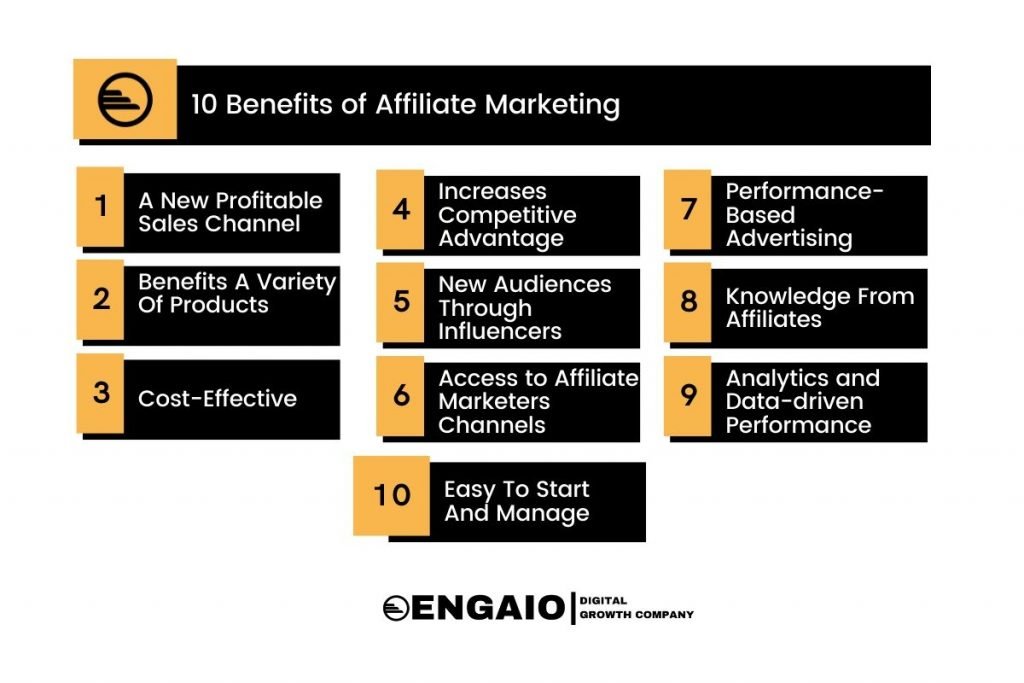
- Low Risk for Businesses – Companies don’t waste money on ads that don’t convert.
- Scalable Income for Affiliates – With the right strategy, affiliates can build multiple income streams.
- Authenticity Builds Trust – When affiliates share real experiences and honest reviews, customers feel more confident in their purchase decisions.
- Global Reach – A single affiliate with an international audience can connect a brand with customers worldwide.
- Flexibility – Affiliates can choose what to promote, when, and how—making it ideal for freelancers, creators, or side hustlers.
The Social Responsibility of Affiliate Marketers
Now, here’s where the human side of affiliate marketing truly matters. With influence comes responsibility. Just like journalists or thought leaders, affiliates hold power over consumer decisions. That power must be used ethically.
- Honesty Over Profit
Affiliates should only promote products they genuinely believe in. Misleading audiences for a quick commission not only harms trust but can damage entire industries. - Transparency is Key
Affiliates should clearly disclose when links are affiliate links. It’s not just about compliance with laws—it’s about respecting your audience’s right to know. - Promoting Positive Impact
Affiliates can choose to promote brands that align with social good—eco-friendly products, fair-trade items, or services that empower communities. - Avoiding Exploitation
Ethical affiliates avoid promoting harmful, unsafe, or exploitative products just because they offer high commissions. - Educating Consumers
Beyond just selling, affiliates have the opportunity to guide, inform, and empower consumers to make smarter choices.
Final Thoughts
Affiliate marketing is more than just a money-making strategy—it’s a relationship business. It thrives on trust, authenticity, and value creation. When done right, it benefits businesses, affiliates, and customers alike.
But the real test lies in how affiliates handle their social responsibility. In a digital landscape where misinformation spreads fast, ethical affiliate marketers have the chance to stand out—not just by boosting sales but by creating positive impact.
At the end of the day, successful affiliate marketing isn’t only about clicks and conversions. It’s about building trust, making responsible choices, and shaping a digital ecosystem where profit and ethics go hand in hand.